
A custom stone countertop can give your kitchen or bathroom a fresh look and a useful surface for daily tasks. But how does a stone slab become a finished countertop? If you are looking for a countertop company Fargo Nd, learning about the process can help you choose the right stone, plan your budget, and get a countertop that fits your home.
What Goes Into Making a Custom Stone Countertop?
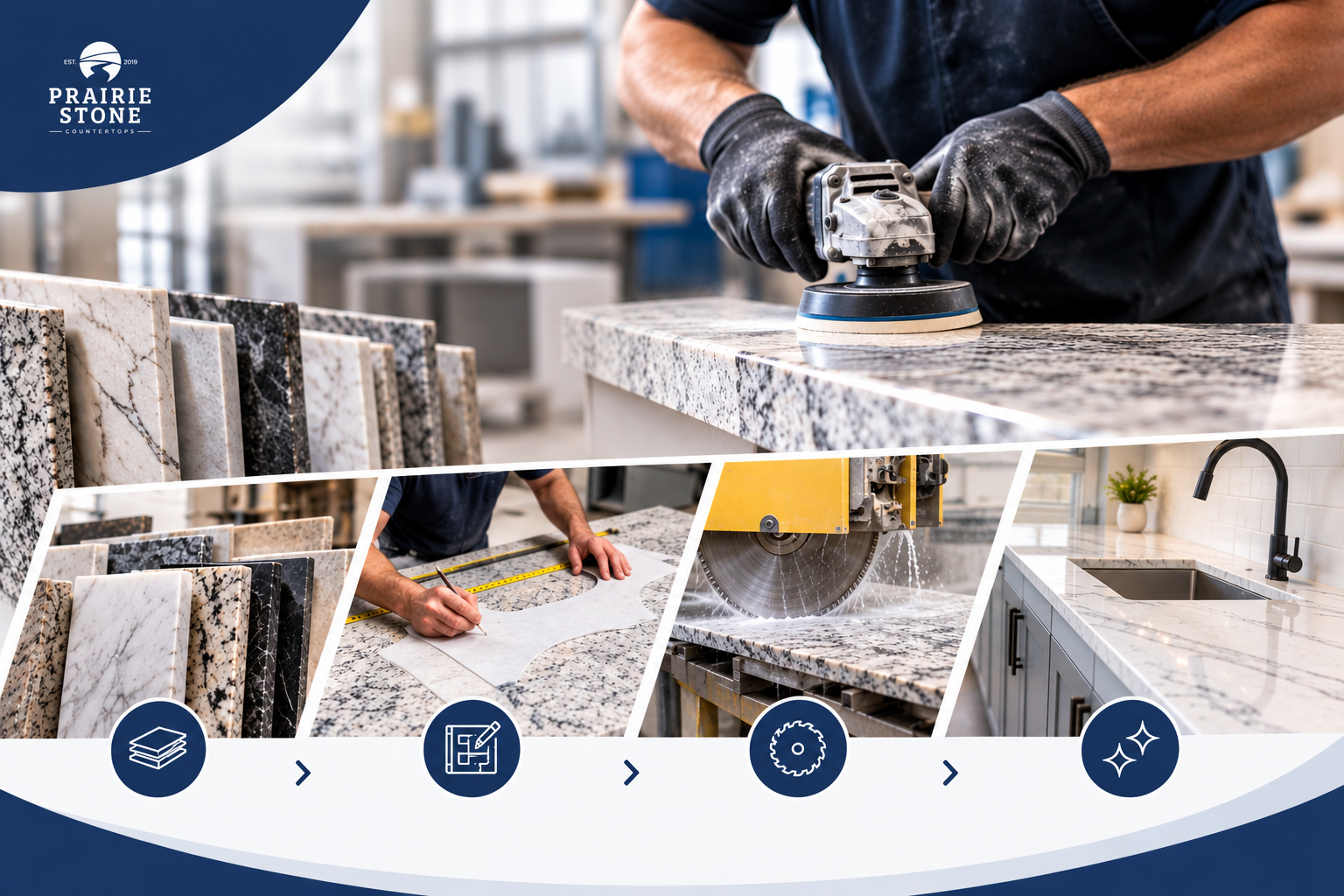
A custom stone countertop starts with choosing the material and ends with fitting it in your home. The team measures your space, plans the cuts, shapes the stone, and installs the finished pieces.
Each step matters. Even a small mistake in the measurements can affect how the countertop fits around walls, sinks, and cabinets. So, careful planning helps avoid problems later.
The process usually includes:
Choosing the stone: Compare colors, patterns, and surface types.
Measuring the space: Check cabinet sizes, corners, and edges.
Planning the cuts: Mark where seams, sink holes, and other openings will go.
Making the countertop: Cut and shape the stone to match the plan.
Fitting the pieces: Place the finished countertop and check that it sits well.
Knowing these steps also helps you ask useful questions before work begins.
Stone Options for Different Homes and Needs
The right stone depends on your style, budget, and daily needs. Granite, quartz, marble, and quartzite each offer a different look. Before you decide, compare samples and ask how to care for each surface.
Here is a simple guide to help you get started:
Granite: A natural stone with unique patterns and colors. It often needs sealing to help protect the surface.
Quartz: An engineered surface that comes in many colors and patterns. It usually does not need sealing.
Marble: A natural stone with soft lines and a classic look. It can stain or scratch more easily than some other options.
Quartzite: A natural stone with a range of patterns. It may suit homeowners who want a natural look and a hard surface.
There is no single best choice for every home. For example, a busy family may want a surface that is easy to clean. Another homeowner may prefer the natural lines of marble. Think about how you use the space before making your choice.
How Do Measurements Help Create a Better Fit?
A good fit starts with careful measurements. The team checks the size of your cabinets, the shape of your walls, and the space around sinks or cooktops. They also measure corners and the parts of the countertop that extend past the cabinets.
This step matters even more in older homes. Walls may not run in a straight line, and corners may not meet at a perfect angle. Digital measuring tools can help record these details so the team can plan a countertop that fits the space.
Before the team starts making the countertop, check that your cabinets are ready. If they need repairs or changes, take care of those first. This can help prevent delays and fit problems.
The Role of Cuts and Seams in the Final Look
Stone slabs come in set sizes, so a large countertop may need more than one piece. The team plans where the pieces will meet and where to make the cuts. This helps the finished surface look neat and work well.
The stone's pattern also matters. For example, a bold pattern may look different where two pieces meet. Talking about seam placement before cutting gives you a chance to discuss how the finished counter will look.
The team must also plan openings for sinks and cooktops when needed. These cuts must match the approved measurements. That is why it helps to check the layout before the stone gets cut.
What Can Change the Cost of a Custom Countertop?
The price depends on the stone you choose and the work needed to fit it. A simple countertop may need less cutting than one with several corners, openings, or separate sections.
Ask for a clear estimate that lists the work and costs. It may include:
The type and amount of stone.
Measuring and cutting the pieces.
Edge shapes and sink or cooktop openings.
Delivery and installation.
Removal of an old countertop, if offered.
Also, ask what the quote leaves out. Plumbing, electrical work, or changes to cabinets may not be part of the countertop service. A clear estimate helps you plan ahead and compare offers without unexpected costs.
Stone Countertops for Bathroom Vanity Spaces
Stone countertops can also work well in bathrooms, where the vanity top needs to handle daily use. Granite countertops in bathroom spaces can add natural colors and patterns while giving you a sturdy surface for everyday items.
Before choosing a bathroom countertop, think about the size of the vanity, the sink opening, and the space you need around the basin. A smaller vanity may suit a stone remnant if the piece fits your measurements and design.
You can also compare quartz, marble, and quartzite for bathroom surfaces. Each has its own look and care needs. Keep in mind that upgrading a countertop does not require a full bathroom remodel. You can replace the vanity top without changing the whole room.
What Should You Do Before Installation Day?
A little planning can make installation day easier. First, confirm the appointment and make sure the team can reach the work area. Then, clear items from nearby counters and pathways so the crew has room to move the stone.
Before the appointment, ask:
Are the cabinets ready for the new countertop?
Do I need to remove the old surface first?
Who will handle the sink and faucet connections?
When can I start using the new countertop?
What care steps should I follow after installation?
Stone slabs are heavy, so the installation team needs to move and fit them with care. Do not try to lift or adjust a large piece yourself. Let the team handle the work and explain any steps you need to take afterward.
Plan Your Custom Countertop Project With Care
A custom stone countertop takes careful planning, accurate measurements, and skilled cutting and fitting. When you understand the process, you can compare materials, set a budget, and choose a surface that suits your home.
If you need a countertop company Fargo Nd, Prairie Stone can help you explore granite, quartz, marble, and quartzite countertops. As a family-owned business serving the Minn-Dak region, the team helps customers choose materials, measure their spaces, make custom countertops, and arrange installation. Contact us to discuss your project and arrange an appointment before visiting, as the team may be working on-site.
Frequently Asked Questions
1. How do I know which stone countertop suits my home?
Compare stone options based on your budget, preferred look, daily use, and care needs before choosing a surface.
2. Can I use leftover stone for a bathroom vanity?
Yes, a stone remnant may suit a small vanity if its size, shape, and pattern match your design.
3. Do stone countertops need special care?
Care depends on the stone. Follow the supplier's advice on cleaning, sealing, and protecting the surface from stains or damage.
4. Can I choose the edge style for my countertop?
Often, yes. Ask your countertop provider which edge styles are available and whether your preferred design affects the total cost.
5. What should I ask a countertop company before hiring it?
Ask about materials, measurements, fabrication, installation, costs, timelines, and any extra work that the quoted price does not cover.