
Carrara Duolina Watertown, South Dakota Controlled Design Stone System for Architectural Projects
Most construction failures don’t start with bad design. They start with material inconsistency. A sample looks perfect, then the full installation behaves differently. That gap creates rework, delays, and cost pressure. Carrara Duolina Watertown, SD, from Prairie Stone targets that exact problem with a controlled stone system built for predictable architectural output, including Countertops Watertown, SD, projects that demand strict visual uniformity.
Where Do Most Architectural Surfaces Start to Fail During Execution?
Project breakdown rarely comes from one big issue. It comes from small mismatches across slabs, batches, and installations. Carrara Duolina removes that uncertainty by locking surface behavior into a controlled system. It reduces:
Color drift between production batches
Texture inconsistency under lighting changes
Alignment errors during installation
Variation between the approved sample and the final output
In real builds, this matters most in high-visibility spaces like kitchens, offices, and commercial interiors where countertops Watertown, SD demand clean, uninterrupted visual flow. So instead of correcting problems on-site, teams work with predictable material behavior from the start.
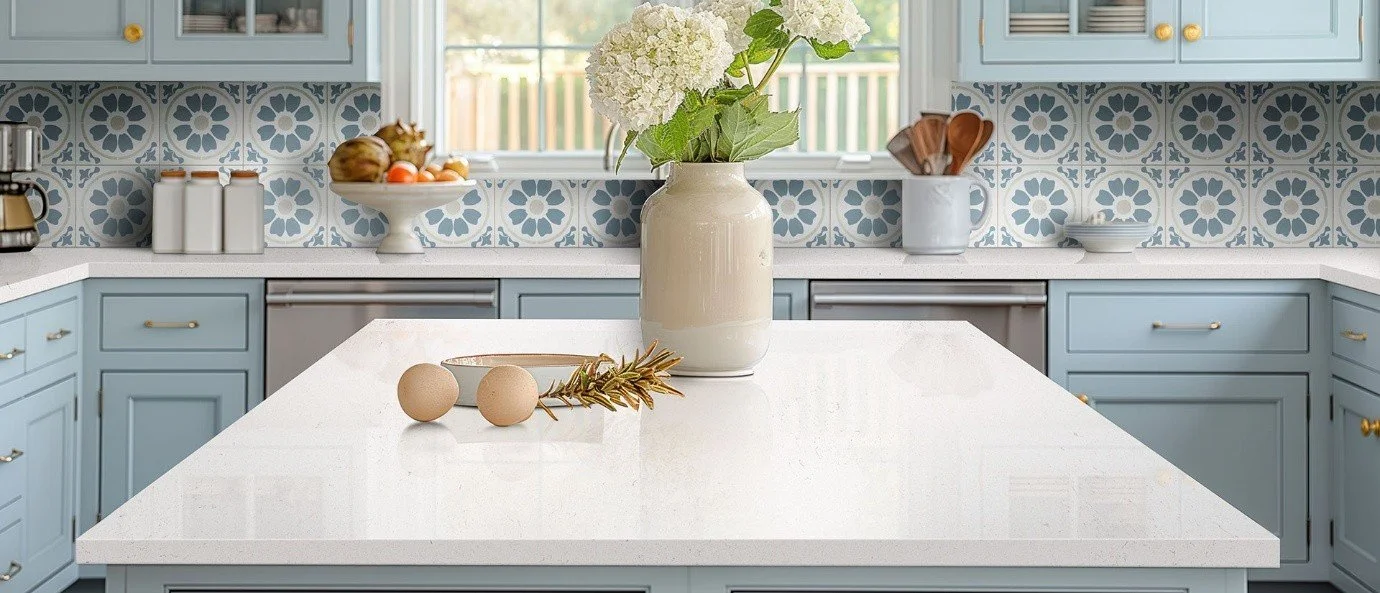
What Keeps Carrara Duolina, Watertown, SD, Visually Stable Across Large Areas?
Large surface installations fail when visual continuity breaks. One slab feels slightly different from the next, and the design loses balance. Carrara Duolina Watertown, SD, solves this with controlled surface engineering instead of random natural variation. It maintains stability through:
Defined tone calibration across production runs
Structured texture mapping for lighting control
Repeatable finish profiles across slabs
Tight control over blend consistency
This creates a single visual language across the entire installation, even when multiple production batches are used. Architects value this because it keeps design intent intact from the drawing board to final installation without visual distortion.
Why Are Countertop Specifications Shifting Toward Engineered Stone Systems?
Countertop projects expose material flaws faster than any other application. Heat, impact, cleaning cycles, and constant use reveal every inconsistency. That is why countertops Watertown, SD projects increasingly move toward engineered systems like Carrara Duolina. It supports:
Multi-surface kitchen layouts without visual mismatch
High-use commercial counters with stable finish behavior
Reduced sealing and maintenance concerns
Predictable fabrication output across multiple slabs
Prairie Stone further supports large-format Panoramic tile systems. These 10 ft by 5 ft slabs reduce joint visibility and behave closer to quartz systems, but with stronger durability under stress.
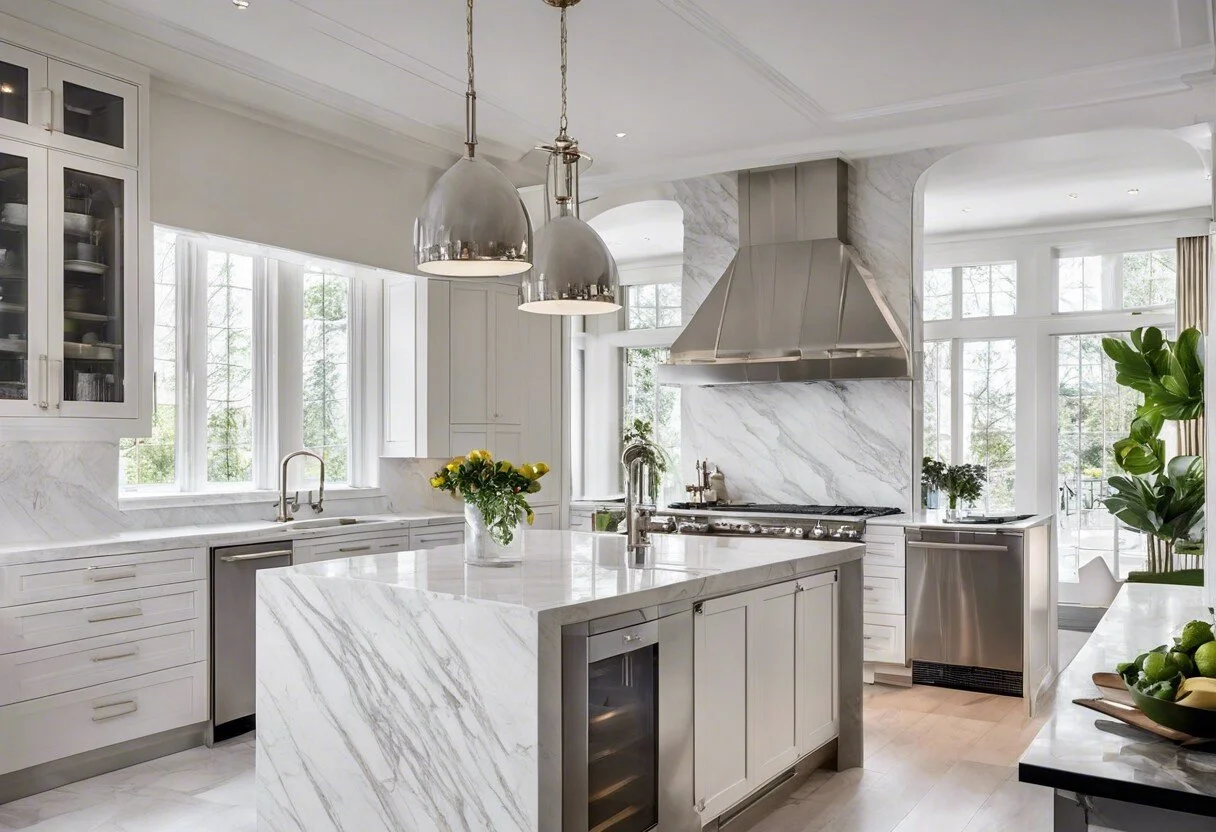
Where Does Carrara Duolina Add the Most Value in Real Construction Work?
Carrara Duolina is not limited to one surface category. It performs where consistency and control matter more than randomness. It is commonly used in:
Kitchen countertop systems and islands
Commercial reception counters and service areas
Feature walls in residential interiors
Hospitality and retail surface installations
Exterior façade systems requiring a uniform appearance
In countertops Watertown, SD, it often works alongside quartz and granite to balance durability with design consistency across different zones of a space.
Why Builders Rely on Controlled Stone Systems Instead of Traditional Selection?
Construction teams don’t just evaluate appearance. They evaluate risk. Traditional stone introduces variation that increases installation time, material waste, and correction cycles. Carrara Duolina reduces those risks by delivering predictable outcomes across the entire workflow. Builders gain:
Faster installation planning with fewer adjustments
Lower fabrication waste due to consistent slab behavior
Reduced rework during on-site alignment
Stable performance across long-term usage cycles
Clear communication between design and execution teams
This improves efficiency across every phase of construction, from specification to final finishing.
What Makes Prairie Stone Carrara Duolina Systems a Specification Advantage?
Modern architectural projects don’t fail because of ideas. They fail because materials don’t behave as expected during execution. Prairie Stone solves this gap by turning Carrara Duolina into a controlled design system that supports predictable construction outcomes. It delivers:
Visual consistency across large-scale applications
Controlled surface behavior under real conditions
Flexible integration with multiple stone and surface systems
Reliable performance across interior and exterior environments
For countertops Watertown, SD, and broader architectural applications, this creates a stable foundation for design teams who need precision without variability.
Build With Controlled Surface Logic That Holds From Design To Delivery
Strong architectural work depends on material behavior that does not change mid-project. Carrara Duolina Watertown, SD, brings that stability into real construction workflows through structured stone system design.
Prairie Stone supports builders, architects, and fabricators with engineered surface systems designed for consistency, installation control, and long-term performance across demanding projects.
Frequently Asked Questions
-
It creates controlled architectural stone systems for countertops, walls, façades, and commercial interior design projects.
-
They reduce material variation, improve installation accuracy, and lower costly on-site corrections during construction.
-
It ensures consistent slab appearance, stable finish quality, and predictable performance across large countertop installations.
-
It works in kitchens, commercial counters, feature walls, hospitality spaces, and exterior architectural façade systems.
-
Prairie Stone delivers controlled production methods ensuring consistent stone behavior across batches and installation environments.