
Carrara Duolina Brookings, South Dakota Premium Architectural Stone Finish Systems
Most surface materials look good in photos but struggle in real builds. The difference shows up during installation, heavy use, and long-term wear. That gap is where engineered stone systems step in.
Prairie Stone builds materials designed for that exact gap. Carrara Duolina Brookings SD sits inside this category as a structured architectural finish system built for consistency, durability, and design control across modern construction projects.
This page breaks down how it works, where it fits, and why builders and designers increasingly rely on it for high-performance surface applications.
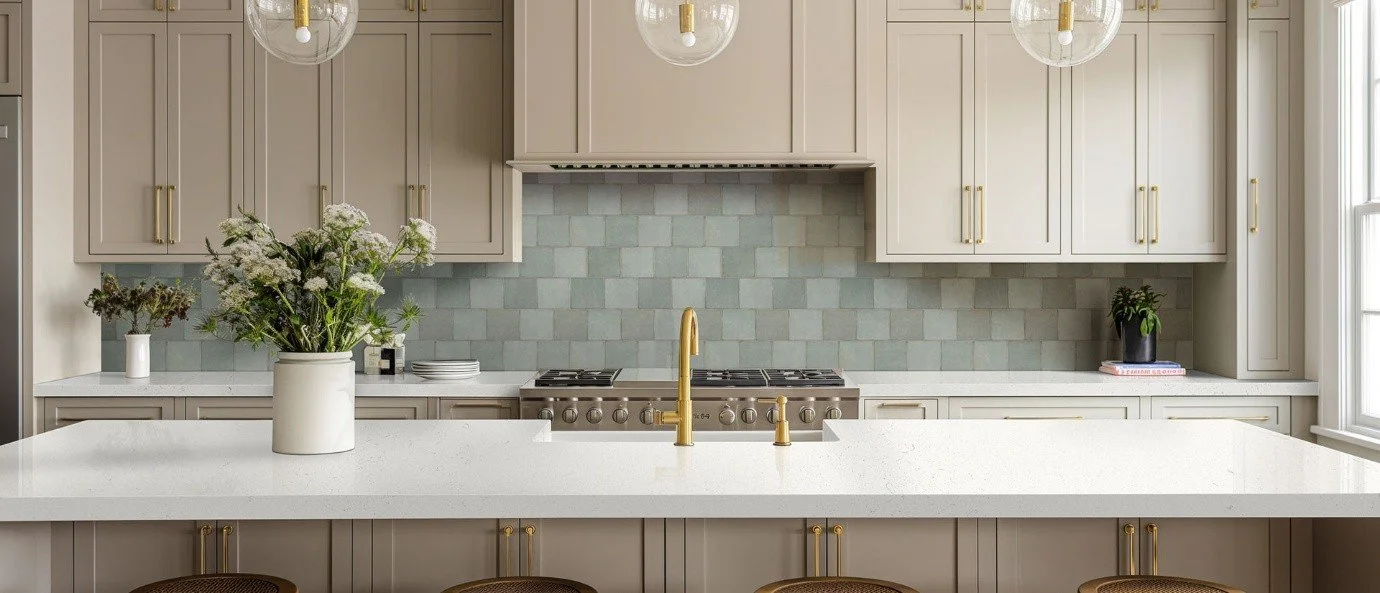
What Makes Carrara Duolina a System Instead of Just a Surface?
Most stone products act like standalone materials. Carrara Duolina works differently. It behaves like a repeatable design system, not a one-off finish.
That means every slab or surface element follows controlled design rules for:
Surface tone consistency across large areas
Controlled texture behavior under light
Predictable installation alignment
Reduced variation between batches
In countertop applications, this matters a lot. Designers don’t want surprises between sample approval and final install. They want repeatable output.
This system removes guesswork and replaces it with engineered consistency.
Why Are Countertop Projects Shifting Toward Engineered Stone?
Countertop design has changed. It is no longer only about appearance. It is now about performance stability over time.
In real projects, natural stone often creates issues like:
Visible variation across slabs
Higher maintenance cycles
Sealing and absorption concerns
Edge chipping in high-use kitchens
This is why countertops Brookings, SD, are moving toward engineered systems like Carrara Duolina.
It supports modern needs such as:
Mixed-material kitchen layouts (granite + quartz + quartzite)
Commercial-grade durability expectations
Low-maintenance surface planning
High visual uniformity across large installations
Instead of reacting to problems later, designers now choose systems that prevent them upfront.
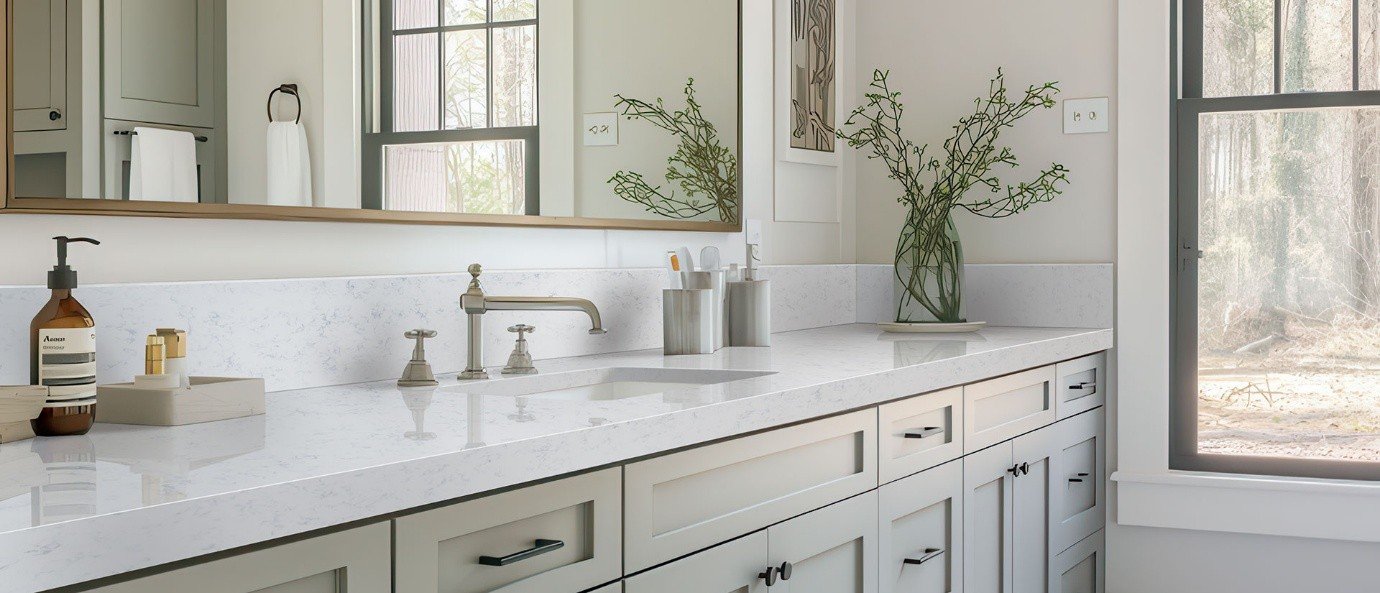
How Does Prairie Stone Engineer Consistency Into Design Materials?
Prairie Stone does not treat stone as a decorative object. It treats it like a controlled material system for construction use. Carrara Duolina is built using structured production logic that focuses on:
Controlled surface texture mapping
Repeatable color blending systems
Defined finish categories for spec accuracy
Compatibility across interior and exterior applications
This approach helps architects maintain design intent from concept to execution. It also integrates well with complementary materials such as:
Granite countertops for durability zones
Quartz surfaces for uniform interior layouts
Marble for visual focal points
Quartzite for high-performance work areas
This makes it easier to design multi-surface environments without visual conflict.
Where Does Carrara Duolina Perform Best in Real Construction Use?
Carrara Duolina is not limited to one application. It is used where surface reliability and visual control both matter. Common real-world uses include:
Kitchen countertops and island surfaces
Commercial reception desks and service counters
Feature walls in modern residential interiors
Exterior façade cladding systems
Hospitality and retail design environments
In countertop installations, it often works alongside large-format Panoramic tile systems. These sheets, typically 10 feet by 5 feet, provide seamless visual coverage with higher durability than traditional tile layouts.
This combination helps reduce joint lines and improves design flow across large surfaces.
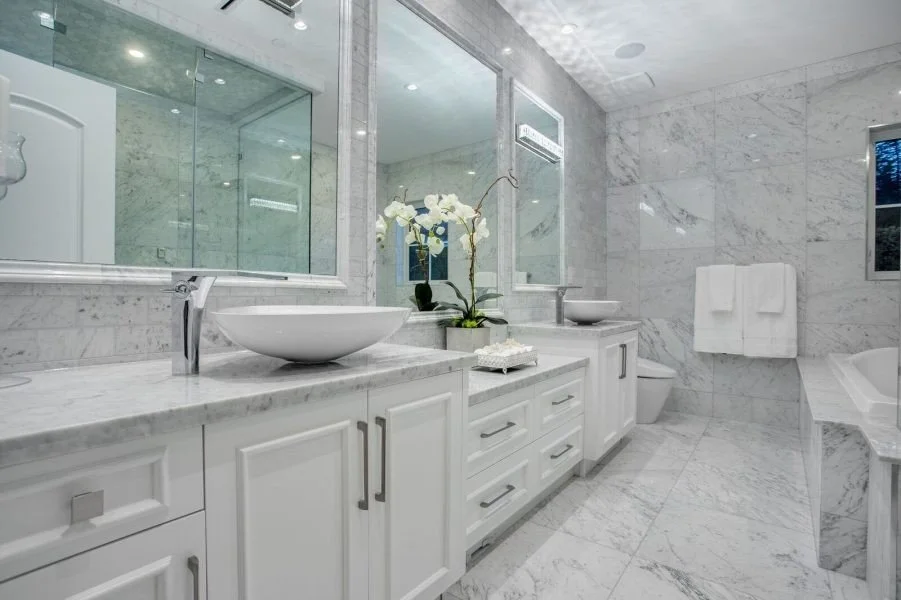
Why Builders Prefer Carrara Duolina Over Traditional Stone Options?
Builders don’t choose materials based only on looks. They evaluate risk, performance, and installation behavior. Carrara Duolina reduces uncertainty in key areas:
Predictable slab-to-slab consistency
Easier installation planning for contractors
Reduced material waste during fabrication
Stable performance under daily wear conditions
Cleaner alignment across multi-surface projects
For countertops Brookings, SD, contractors, this means fewer on-site adjustments and fewer post-install issues. It also improves coordination between designers, fabricators, and installers because the material behaves consistently across phases. That operational stability is a major reason engineered systems are replacing traditional stone selection in many builds.
Why Prairie Stone Carrara Duolina Systems Set a Higher Design Standard
Modern construction does not fail because of design ideas. It fails because materials don’t behave predictably during execution.
Prairie Stone focuses on removing that uncertainty. Carrara Duolina Brookings SD is built as a controlled architectural finish system that supports:
Design consistency
Construction reliability
Material flexibility
Long-term surface performance
When paired with countertops Brookings, SD projects, it creates a stable foundation for kitchens, commercial spaces, and architectural interiors that need both durability and design clarity.
If your project requires material decisions that stay consistent from blueprint to final installation, this system is built for that purpose.
Specify Carrara Duolina Systems for Your Next Build in Brookings, South Dakota
Strong design depends on strong material decisions. Carrara Duolina gives builders and designers a structured way to reduce risk and improve outcomes.
Prairie Stone helps bring that structure into real projects through engineered surface systems designed for modern construction needs. Connect with the team to explore Carrara Duolina applications for your next countertop or architectural project in Brookings, South Dakota.
Frequently Asked Questions
-
Carrara Duolina is used for countertops, feature walls, and architectural surfaces needing consistent engineered stone performance.
-
It offers controlled consistency, fewer variations, and stronger durability compared to traditional natural stone materials.
-
Yes, it works well for countertops requiring durability, design uniformity, and long-term performance stability.
-
Builders prefer them because they reduce installation risks, waste, and unpredictable material variations during projects.
-
It is commonly used in kitchens, commercial spaces, façades, and high-end architectural interior designs.