
Carrara Duolina Wahpeton, ND, That Brings Surface Continuity Across Every Build
Why do some finished spaces still feel “off” even after premium materials are installed? The issue often shows up in transitions. A wall carries one tone, while the countertop shifts direction. That mismatch forces redesigns, delays approvals, and weakens the final look. Prairie Stone addresses this early. Surfaces are planned as a connected system, not selected in isolation.
Why Do Surface Mismatches Still Happen in Well-Planned Projects?
Even strong designs break when materials are sourced in parts. Wall cladding gets finalised first. Countertops come later. By then, matching tone and texture becomes difficult. A builder may approve a stone wall sample. Weeks later, the countertop arrives with a slightly different shade. That small difference becomes obvious under lighting. The countertops Wahpeton, ND, perform better when they follow the same material logic as the cladding system.
A structured approach helps:
Keep tone alignment across vertical and horizontal surfaces
Reduce rework caused by mismatched batches
Maintain consistency through phased installations
This is not about preference. It is about avoiding visible breaks that affect the entire build.
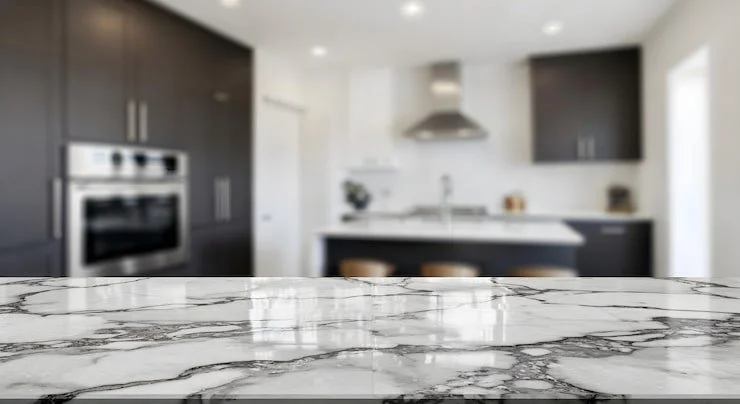
How Does Carrara Duolina Hold Visual Stability Across Surfaces?
Some materials create contrast that feels forced. Others lack enough detail to support the space. The Carrara Duolina Wahpeton, ND, works because it sits between those extremes. Its veining introduces movement without disrupting the layout. In real applications:
A reception counter can match a stone-clad feature wall without competing
A kitchen surface can stay consistent with surrounding finishes
A commercial counter can maintain a calm visual tone under varied lighting
This balance allows it to connect with multiple surfaces. It supports the design instead of redirecting attention. That stability reduces the need for adjustments during installation.
What Material Choices Help Avoid Rework and Delays?
Material inconsistency often leads to last-minute corrections. That affects timelines and cost. Prairie Stone supplies surfaces that are selected with both design and performance in mind:
Granite for strength in high-use areas
Quartz for controlled patterns across multiple slabs
Marble for clean, refined surfaces
Quartzite for durability with natural variation control
Panoramic tile sheets add another layer of flexibility. These large-format slabs, up to 10 by 5 feet, reduce joints across wide surfaces. Fewer seams mean fewer alignment issues. This approach helps teams avoid common problems:
Colour shifts between batches
Misaligned patterns during installation
Surface breaks across large spans
The goal is simple: reduce corrections before they happen.
How Does Prairie Stone Support System-Level Material Planning?
Material selection does not end with choosing a slab. It extends into supply, consistency, and installation flow. Prairie Stone operates within the architectural stone supply chain, supporting real construction projects. This includes:
Controlled colour blending for project-wide consistency
Surface textures that align with cladding systems
Size flexibility for different layouts and applications
Reliable material flow across project phases
For contractors and developers, this reduces uncertainty. Materials arrive aligned with the design intent. Installation teams spend less time adjusting and more time executing. This level of coordination supports both efficiency and visual clarity.
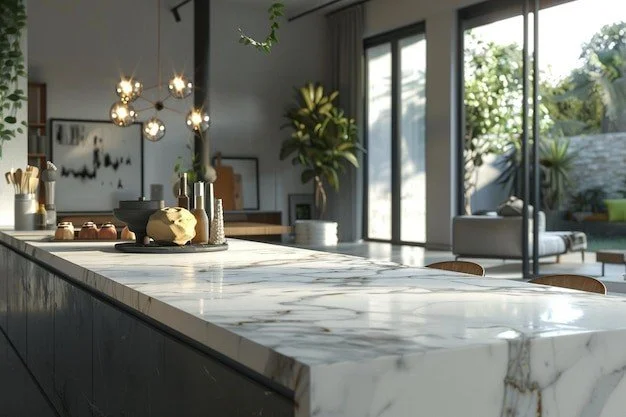
Build Projects Where Every Surface Already Fits
Modern builds depend on more than isolated surface choices. They require materials that work together across the entire structure. The Carrara Duolina Wahpeton, ND, supports that requirement by maintaining consistency across walls, counters, and key surfaces. When materials follow one direction, the space holds together. There are no visible breaks, no forced transitions, and no late-stage corrections.
If your project requires surfaces that stay consistent from wall to countertop, Prairie Stone can support that direction. Choose materials planned as a system. Create spaces where every surface aligns from the first installation, not after adjustments.
Frequently Asked Questions
-
Materials are often selected separately, causing tone and texture differences that become obvious during installation and final inspection stages.
-
It offers balanced veining and stable patterns, helping countertops and wall systems align without creating contrast or visual disruption.
-
Yes, they reduce seams, improve surface flow, and help maintain consistency across large areas with fewer installation adjustments required.
-
Granite, quartz, marble, and quartzite provide durability and controlled appearance, supporting long-term use without major visual inconsistencies.
-
They provide controlled material supply, consistent finishes, and flexible sizing, helping teams avoid delays and maintain design accuracy.